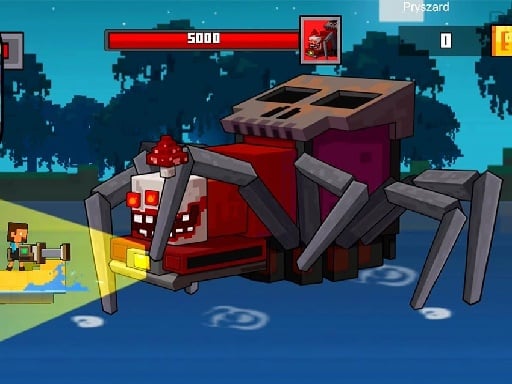
Pirate Block Craft Monster Shooter

Sword Run 3d
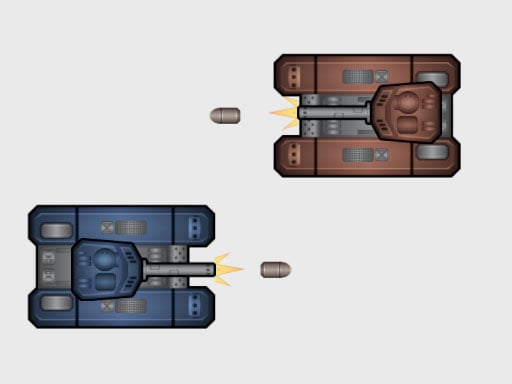
Tankbattle 2 Player

Girls School Fashion
Halloween Mazes
Merge Plants And Zombies

The building is bright, colorful… and somehow that makes it worse. Garten Of Banban 3D is a 3D horror escape game where you explore a creepy kindergarten, grab key items, solve simple-but-sneaky puzzles, and survive characters that don’t behave like normal “enemies.” The goal that pushes you forward Most versions revolve around one main motivation: find what happened inside the kindergarten (missing kids, locked areas, hidden rooms). Progress usually looks like: enter a new wing, collect a keycard / tool / clue item, activate doors or machinery, survive a chase or scripted scare, unlock the next area and repeat. It’s not a shooter. It’s route + puzzle + nerves. How you interact with the world Instead of giving you “a lot of buttons,” the game is usually built around a few actions that matter: move + look around pick up / use items open doors / activate panels sometimes run, sometimes crouch/hide (depending on your build) If your version includes a “grab” hand icon, treat it like your best tool: many important items blend into the environment on purpose. Play it smart: the kindergarten punishes rushing The fastest way to lose is acting like you’re speedrunning. A safer approach is: walk in new rooms first, scan corners and walls (notes and switches are often not centered), only run when you’re escaping or repositioning. In Banban-style games, “just sprinting away” can lead you into a locked door, a dead end, or a trigger you weren’t ready for. The 3-room method (keeps you from getting lost) A lot of players fail because they wander in circles. Use this simple exploration routine: 1) Clear the entrance zone When you enter a new area, check the nearby doors, signs, and obvious interact points. You’re looking for “what’s locked” and “what needs power.” 2) Hunt the key item Most areas have one item that unlocks progress (card, toy, battery, remote, tool). Focus on that first. 3) Return to the gate After you grab the item, go back to the door/panel you saw earlier. Banban maps love backtracking, and that’s intentional design. This stops the “I found something but forgot where it goes” problem. Puzzle thinking that actually works here Banban puzzles are usually not super complex, but they’re meant to confuse you under pressure. When you hit a puzzle moment: Ask: What is the puzzle asking me to change? (power, sequence, matching, placement) Look for visual language: colors, symbols, arrows, number patterns. If there are multiple switches, the solution is often order-based, not random. And here’s the real trick: many puzzles are easy once you identify the “rules,” but the game tries to distract you with scary sound cues while you’re thinking. Banban survival rule: don’t “fight” the mascot moments When a character shows up, you usually have two jobs: break line of sight (turn corners, use doors, create space) follow the intended escape path (the map often guides you with lighting or layout) What gets players caught: freezing in the open, turning the camera wildly and losing direction, running into unknown rooms without an exit. If you feel chased, your best move is often one clean turn into a known hallway, not a random sprint. “door logic” clues most people miss Garten of Banban-style maps often communicate with small environmental cues: colored doors that match colored panels, keycards that unlock specific wings, signage that hints where the next objective is, “too clean” empty corridors that are usually the right path forward. If you’re stuck, don’t just search harder—search smarter: check doors/panels you already saw, re-read any wall notes, look for a new interact prompt near the last big event. Progress is usually tied to the last thing you triggered. chase-proof movement If your version includes a sprint button, try this instead of holding it constantly: sprint only on straight lines, stop sprinting before turns, keep your camera stable so you don’t miss doorways. Most “I died even though I ran” deaths happen because sprinting makes you overshoot the safe turn or miss the correct escape door. Common “stuck” moments and quick fixes “I have an item but nothing happens.” You’re probably using it in the wrong place. Go back to doors/panels that looked interactive earlier. “I can’t find the last objective in this area.” Look for a small prompt near walls, desks, corners, or behind big props. Banban games hide items low and off-center. “The game keeps looping me into the same rooms.” That usually means the next step is behind a locked door you already discovered. Identify the locked door, then find what powers it. “I keep dying during the chase.” Practice the escape route once: walk it calmly before triggering the chase again (if possible). Knowing the turns beats reaction time. Final notes for a cleaner playthrough Play with sound on if you can—audio often signals when to stop searching and start moving. Don’t ignore “boring” rooms. The key item is often placed where you least expect. If your version supports saving/checkpoints, use them. Horror puzzle games are built around retry learning.
Start simple, then tighten your timing as things speed up. Controls: use mouse/touch and follow the on-screen prompts. Complete the objective shown for the level and adjust your timing as the game speeds up. Tip: when the screen gets busy, protect your progress first.

So many more games you can play!
More games
 Home
Home
 Trending Games
 Categories
 Arcade
  Action
  Adventure
  Shooting
  Racing
  Girl
Girl  Puzzle