Super Fighting Player

Halloween Makeup Trends
Skibidi Hit Master
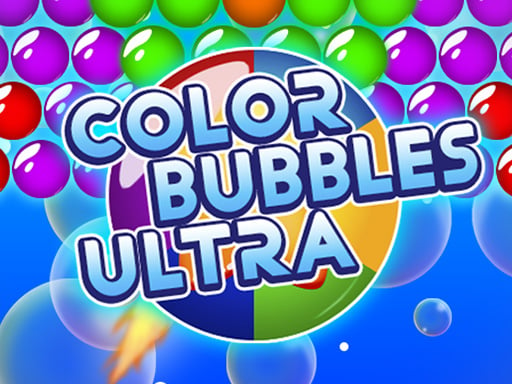
Color Bubbles Ultra
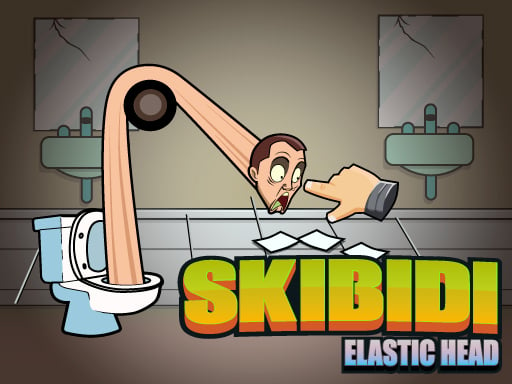
Skibidi Elastic Head
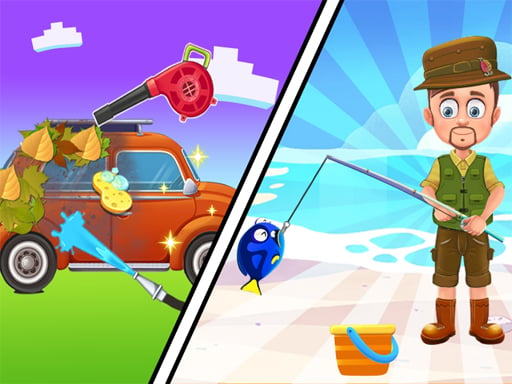
Family Camping Trip

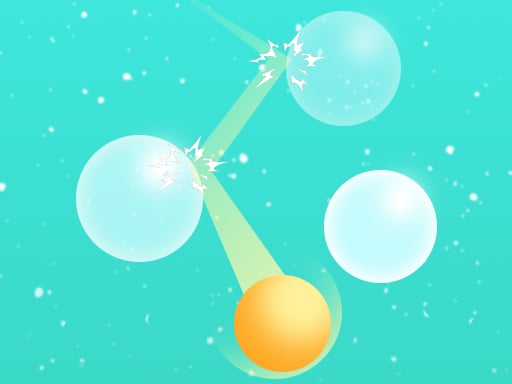
Pop one cluster and you feel like a genius… pop the wrong one and the whole board turns into a trap. Crazy Bubble Breaker is a bubble-popping puzzle where the real skill is choosing which group to break first so the next moves become easier, not harder. What the game is You clear bubbles by tapping (or shooting, depending on your version). Most builds follow one of these styles: Tap-to-break clusters: tap groups of same-color bubbles to remove them Bubble shooter mode: aim and shoot bubbles to match colors and pop Hybrid: you pop clusters, but new rows appear or the board shifts as you clear Common goals include: clear the board, reach a target score, remove special bubbles (ice/locks/bombs), finish before the moves run out, or survive as long as possible while new bubbles keep coming. How the board “punishes” random popping The game looks simple, but it’s designed to punish this habit: pop whatever is biggest right now. A smarter way to play is to think about shape control: Which pops will open space? Which pops will drop other bubbles? Which pops will leave you with isolated single bubbles you can’t clear later? Big clusters are tempting, but the best move is often the one that improves the board’s future. Your first clear plan (works on most versions) If you’re new or getting stuck early, use this routine: Clear low, not high Removing bubbles near the bottom often causes bigger collapses and frees the board. Create one “clean side” Try to keep at least one side of the board open so you always have a safe area to work. Remove blockers early (if they exist) Ice, chained bubbles, metal blocks, or “stuck” tiles get worse later. Deal with them while you still have options. Avoid single leftovers If popping a group leaves one lonely bubble of that color, think twice—those leftovers usually cost you later. the “drop” advantage In many bubble breakers, bubbles fall or collapse when support is removed. That means one move can clear more than what you tapped. How to use it: Pop the support group under a floating section to drop a whole chunk. Look for “bridges” — a small connection holding two big areas together. If your version has gravity, clearing one connector can be worth more than clearing a big cluster. It’s the closest thing to a cheat code: drop clears give the biggest score with the least effort. score building without chaos If your version is score-focused (leaderboards, stars, combos), your score usually comes from streaks and chain reactions. To score higher: pop medium clusters that trigger multiple collapses, not just one big pop, avoid breaking your board into many small islands, save special bubbles (bomb/rainbow/lightning) for moments where they hit multiple colors at once. High scores come from “board planning,” not from fast tapping. When special bubbles show up Different versions include different power bubbles. Here’s how to use them intelligently: Bomb: best used near blockers or dense areas (center mass) Rainbow / wild: save it for the color that is hardest to clear Lightning / line clear: aim it through the busiest lane or into stuck corners Freeze / stone bubbles (negative): clear around them early so they don’t lock your board If you use power-ups the moment you get them, you feel strong… then you get stuck later. Use them for value. Why you keep “almost clearing” but failing That usually happens because of one of these: too many isolated singles left behind, you cleared the top first and lost drop potential, you ignored blockers until they boxed you in, you chased score and forgot the win condition. Fix it by changing your priority: win condition first → clean board second → score last (unless the mode is score-only). Mistakes that cost the most progress popping top clusters that don’t affect the rest of the board splitting the board into many tiny groups leaving the same color scattered everywhere using bombs on empty areas for a small pop ignoring a “bridge” bubble that’s holding a whole chunk up If you notice a tiny connection holding a big area, that’s not decoration—that’s the level’s intended trick. Helpful answers Is it better to pop big groups or small groups? Big groups are good, but “best” is the pop that creates a collapse or opens blocked space. What’s the fastest improvement tip? Stop starting from the top. Clear supports and bridges so bubbles fall. Why does the board get harder near the end? Because of leftovers. Plan early to avoid isolated single bubbles and scattered colors.
Jump in and focus on the next move, not the clock. Controls: use mouse/touch and follow the on-screen prompts. Complete the objective shown for the level and adjust your timing as the game speeds up. Tip: play a little slower at first—consistency wins.

So many more games you can play!
More games
 Home
Home
 Trending Games
 Categories
 Arcade
  Action
  Adventure
  Shooting
  Racing
  Girl
Girl  Puzzle